The Food Safety and Standards Authority of India has taken enforcement action against CG Foods India Private Limited after an inspection at its manufacturing unit in Rajasthan uncovered serious hygiene and regulatory violations. Officials found that broken noodles collected from the factory floor were being reprocessed into bhujia products without proper heat treatment. The company has been directed to stop production of certain veg bhujia namkeen items pending required approvals.
Inspection at the Ajmer Facility
FSSAI officials visited the CG Foods India plant located in the Roopangarh area of Ajmer to verify manufacturing practices and hygiene compliance. The inspection focused on how raw materials were handled and whether finished snack products met food safety standards. During the visit, investigators observed that floor-collected broken noodles were being diverted into the production of bhujia, a popular fried Indian snack often sold in small packs.
The absence of heat treatment for this reprocessed material raised immediate concerns about potential contamination and food safety risks. Authorities also noted the use of predated packaging dates on some products. These findings formed the core of the enforcement notice issued against the food business operator.
Unlicensed Products and Legal Violations
The inspection identified unlicensed manufacturing of two specific bhujia variants marketed under the Wai Wai brand: “Wai-Wai MaMa” and “Wai-Wai Mama Punte.” Officials stated that this activity violated Section 31(1) of the Food Safety and Standards Act, 2006, which requires proper licensing for the manufacture of food products.
Beyond the licensing issue, the regulator documented several hygiene and documentation shortfalls. These included inadequate pest-control records and other deficiencies related to overall food hygiene and safety systems at the unit. Such lapses indicated gaps in the facility’s ability to consistently maintain the standards expected of a commercial food manufacturer.
Stock Seizure and Further Investigation
As part of the action, FSSAI seized approximately 32,107.2 kilograms of stock from the premises. The seized material included large quantities of loose broken noodles. In addition, 1,925 boxes of expired finished goods were detained. Samples of various items—including loose noodle material, finished veg bhujia products, cooking oil from the frying line, and Wai Wai ready-to-eat noodles—were collected and sent for laboratory analysis to determine the full extent of any contamination or non-compliance.
The regulator has initiated strict legal proceedings against the company. At the same time, it has ordered CG Foods India to discontinue the production of veg bhujia namkeen products until proper approvals and corrective measures are in place.
Company Background and Brand Context
CG Foods India operates as part of CG Corp Global, the conglomerate headed by Binod Chaudhary. Chaudhary is widely recognised as Nepal’s only billionaire and is often referred to as the “Noodle King” for building the popular Wai Wai instant noodle brand into a major regional presence. The Wai Wai name has long been associated with instant noodles across South Asia, and the company has expanded into related snack categories in the Indian market.
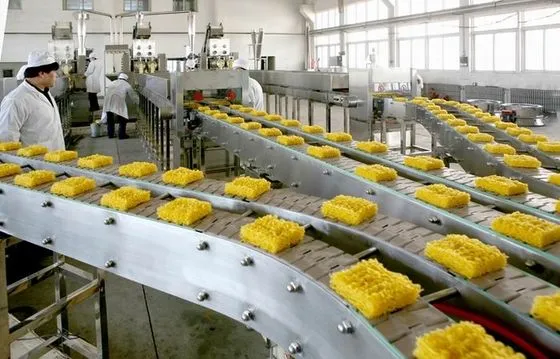
The Rajasthan unit under scrutiny is one of the facilities supporting the group’s Indian operations. While the core Wai Wai noodle business remains distinct, the bhujia products carrying the Wai Wai branding brought the factory under regulatory focus. Reports indicate that the company did not immediately respond to queries seeking comment on the findings and the subsequent orders.
Broader Food Safety Enforcement Context
The action against CG Foods India forms part of a wider push by Indian food safety authorities to tighten oversight of manufacturing practices, especially for packaged snacks and ready-to-eat items that reach a large consumer base. Regulators have been conducting inspections across both large brands and smaller operators to check for hygiene lapses, unlicensed production, incorrect labelling, and the reuse of substandard or contaminated materials.
Floor-collected ingredients pose particular risks because they can introduce foreign matter, microbial contamination, or chemical residues that heat treatment or other processing steps might otherwise reduce. By flagging the absence of heat treatment in this case, FSSAI underscored the importance of validated processing methods that protect public health.
Implications for Consumers and the Industry
For consumers, the episode serves as a reminder of the value of regulatory vigilance in the packaged food sector. Bhujia and similar namkeen products are everyday snacks in many Indian households, often purchased for their convenience and taste. Ensuring that these items are produced under hygienic conditions and with properly licensed processes is essential for maintaining trust in the supply chain.
For manufacturers, the case highlights the need for robust internal controls over raw material handling, waste segregation, and licensing compliance. Reprocessing of floor waste without appropriate treatment can quickly escalate into regulatory action, product seizures, and legal consequences. Documentation of pest control, production records, and packaging dates must also meet prescribed standards.
The laboratory results on the collected samples will provide further clarity on whether additional safety concerns exist beyond the process violations already identified. Depending on those findings, further directions or penalties may follow under the Food Safety and Standards Act.
Regulatory Directives and Next Steps
FSSAI has made clear that production of the affected veg bhujia namkeen items must stop until the company secures the necessary approvals and implements corrective measures. The seizure of stock and detention of expired goods remove potentially non-compliant products from circulation while the investigation continues.
The episode also illustrates how brand extensions into snack categories can bring additional scrutiny. Even established noodle manufacturers must ensure that every product line, including secondary items such as bhujia, adheres to the same rigorous standards of hygiene, licensing, and process control.
As laboratory analysis proceeds and legal proceedings advance, the focus remains on protecting consumers from unsafe practices. The action against the Ajmer facility of CG Foods India reinforces the message that food safety compliance is non-negotiable, regardless of the size or reputation of the parent organisation. Proper handling of ingredients, validated processing methods, and full regulatory approvals remain the foundation of safe packaged food production in India.
Read more – Blessingread.com , pfptrends.com